Credits
Gyllenhaal, Foxx, Sarsgaard: How the Principal Cast Was Assembled
Three actors, three very different preparation paths — and a collective physical ordeal that shaped what the film became.
Finding Swofford, Sykes, and Troy
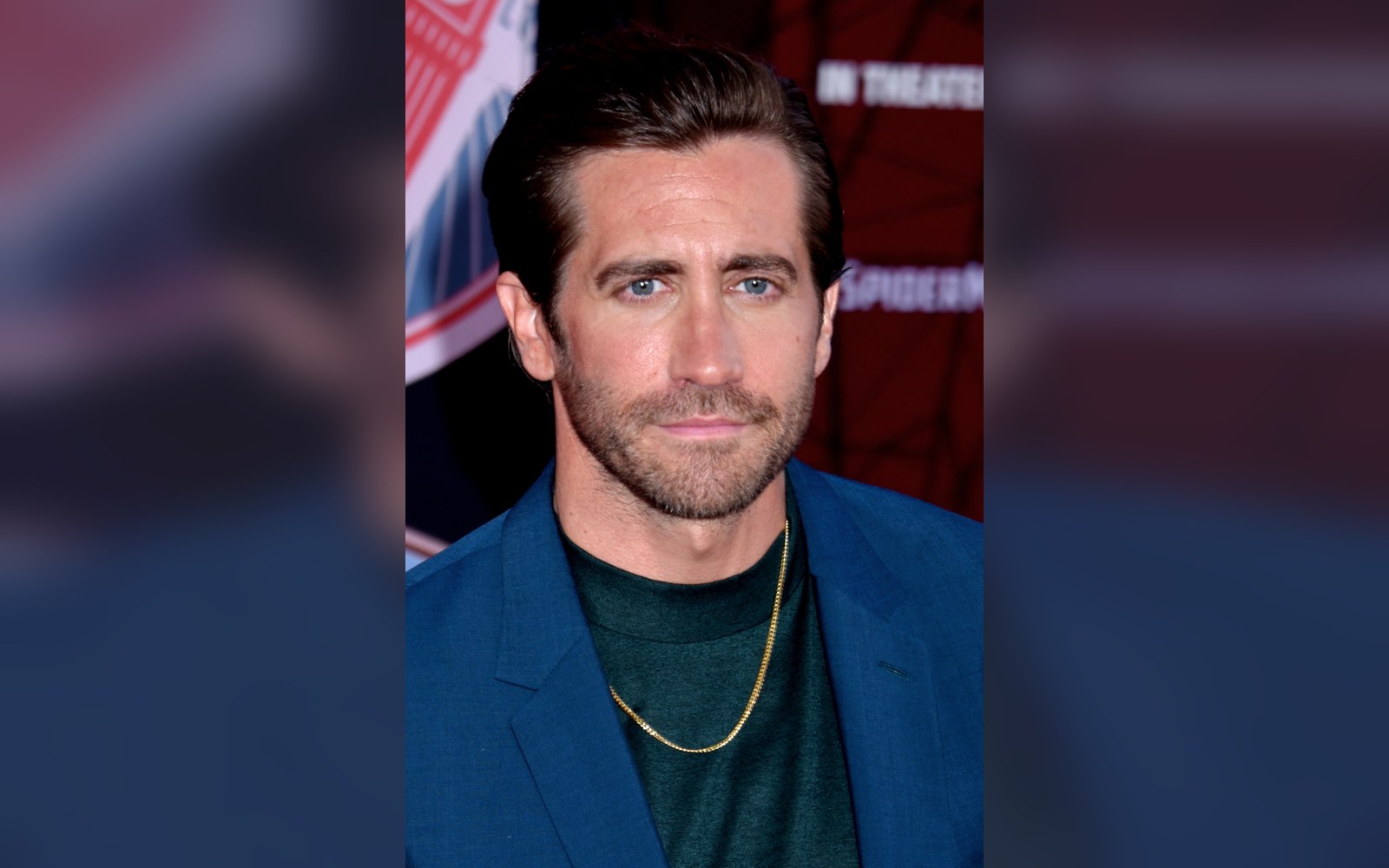
Sam Mendes cast Jake Gyllenhaal as Anthony Swofford before the physical transformation could begin. Gyllenhaal was twenty-three when production started, older than Swofford had been in the Gulf, and notably slighter. The preparation that followed was systematic: Gyllenhaal trained with Marine Corps advisers, added significant muscle mass, and spent weeks drilling in the Imperial Valley heat that stood in for Kuwait. The goal was not impersonation of the real Swofford — who was involved with the production — but embodiment of a young Marine whose intelligence makes his situation more, not less, unbearable. What Gyllenhaal brought was an ability to hold contradictory states simultaneously: boredom and coiled aggression, pride and corrosive doubt. The performance is fundamentally internal, which suits a film structured around inaction.
Jamie Foxx arrived at Jarhead carrying the momentum of two concurrent awards seasons. He had filmed Ray and Collateral back to back, with his performance as Ray Charles earning him the Academy Award for Best Actor for the 2004 film year (the 2005 ceremony). Mendes cast him against that biographical grain. Staff Sergeant Sykes is not a victim or a subject; he is a career Marine who genuinely believes in the institution, and Foxx plays him without irony — a significant choice in a film that is otherwise saturated with it. Sykes is the character who makes the Corps legible as a culture rather than a punchline, and Foxx's physical authority grounds scenes that might otherwise tip into satire.
Peter Sarsgaard's casting as Troy, Swofford's spotter and closest friend, completed the film's emotional triangle. Sarsgaard had established a reputation for playing characters whose interior life is consistently withheld — roles in Boys Don't Cry (1999) and Shattered Glass (2003) that turned on a slow revelation of damage. Troy is written in that register: composed on the surface, quietly disintegrating underneath. Sarsgaard and Gyllenhaal had worked together before, in Moonlight Mile (2002), and the ease between them translates directly into the sniper-scout partnership the film needs to feel earned rather than assigned.
The Physical and Logistical Demands
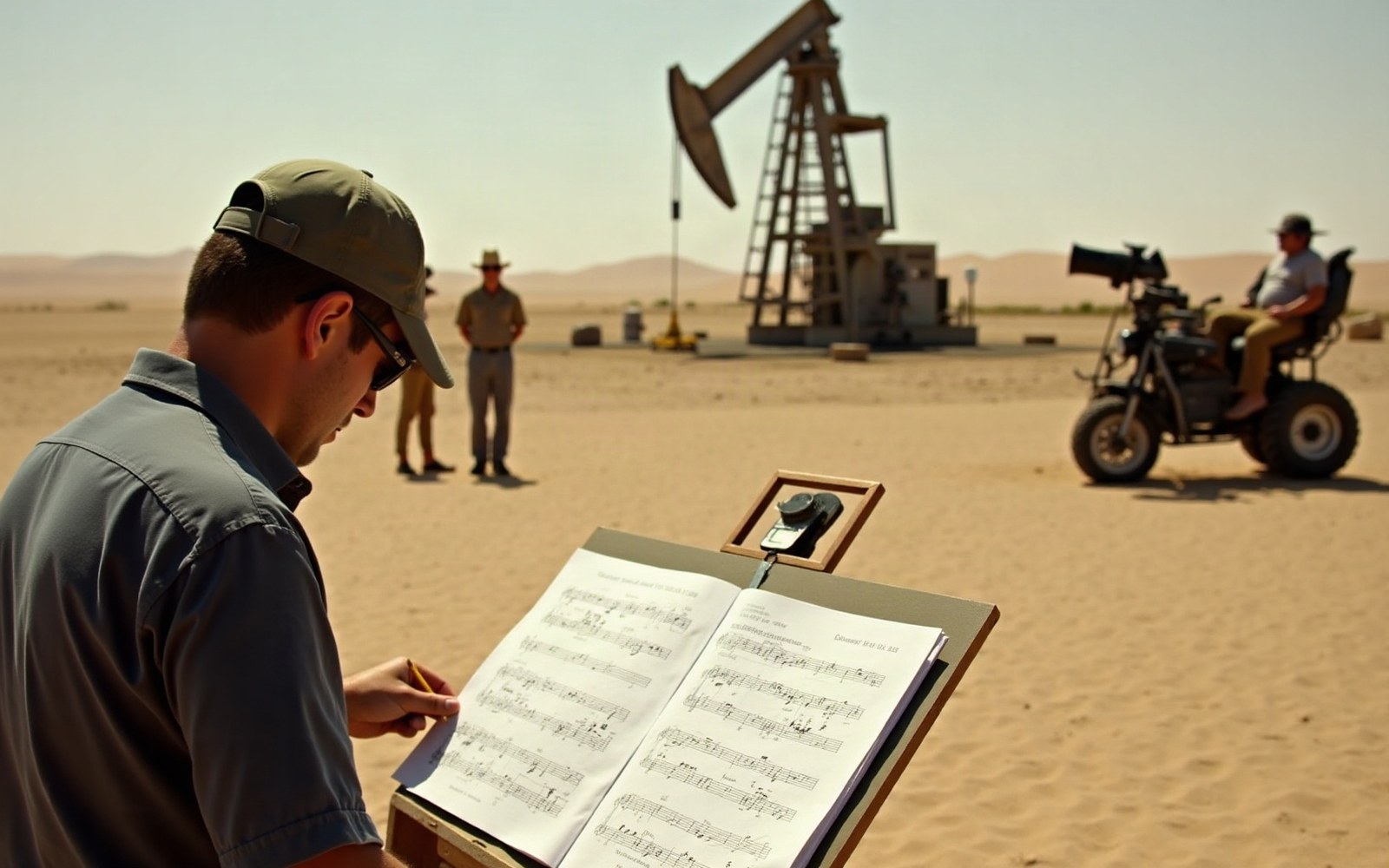
Shooting in the Imperial Valley — across Glamis, Brawley, and a Mexicali location serving as a Kuwaiti stand-in — meant sustained exposure to temperatures that regularly exceeded 100°F. The production was not simulating hardship; it was importing it. Cast members carried full kit, wore the layered MOPP suit in sequences requiring it, and drilled weapons handling to a standard that satisfied the United States Marine Corps technical advisers on set. Gyllenhaal has described the shoot as the most physically demanding of his career to that point, and the cumulative exhaustion in his performance during the later desert sequences is not entirely acted.
Chris Cooper takes the smaller but pivotal role of Lieutenant Colonel Kazinski, bringing the compressed authority he had used in Adaptation (2002) and Seabiscuit (2003). Cooper's military bearing requires no augmentation; he simply occupies the uniform as though it belongs to him. Lucas Black, cast as a young Marine in Swofford's unit, was twenty-two during production and had already accumulated a decade of screen work beginning with Sling Blade (1996). His presence adds a note of genuine youth to a cast otherwise weighted toward experience.
The Ensemble Effect
What Mendes assembled was a cast calibrated for register, not star power, though the film had both. Gyllenhaal's performance is anchored rather than elevated by the ensemble around it: Foxx gives him something real to resist, Sarsgaard gives him something real to lose, and Cooper and Black fill the unit with enough specific human detail that the waiting — the film's true subject — feels inhabited rather than illustrated. The preparation was extensive and the location conditions were punishing, but Roger Deakins's cinematography records the results: faces weathered, bodies adapted, a group of actors who look as though the desert has actually happened to them.