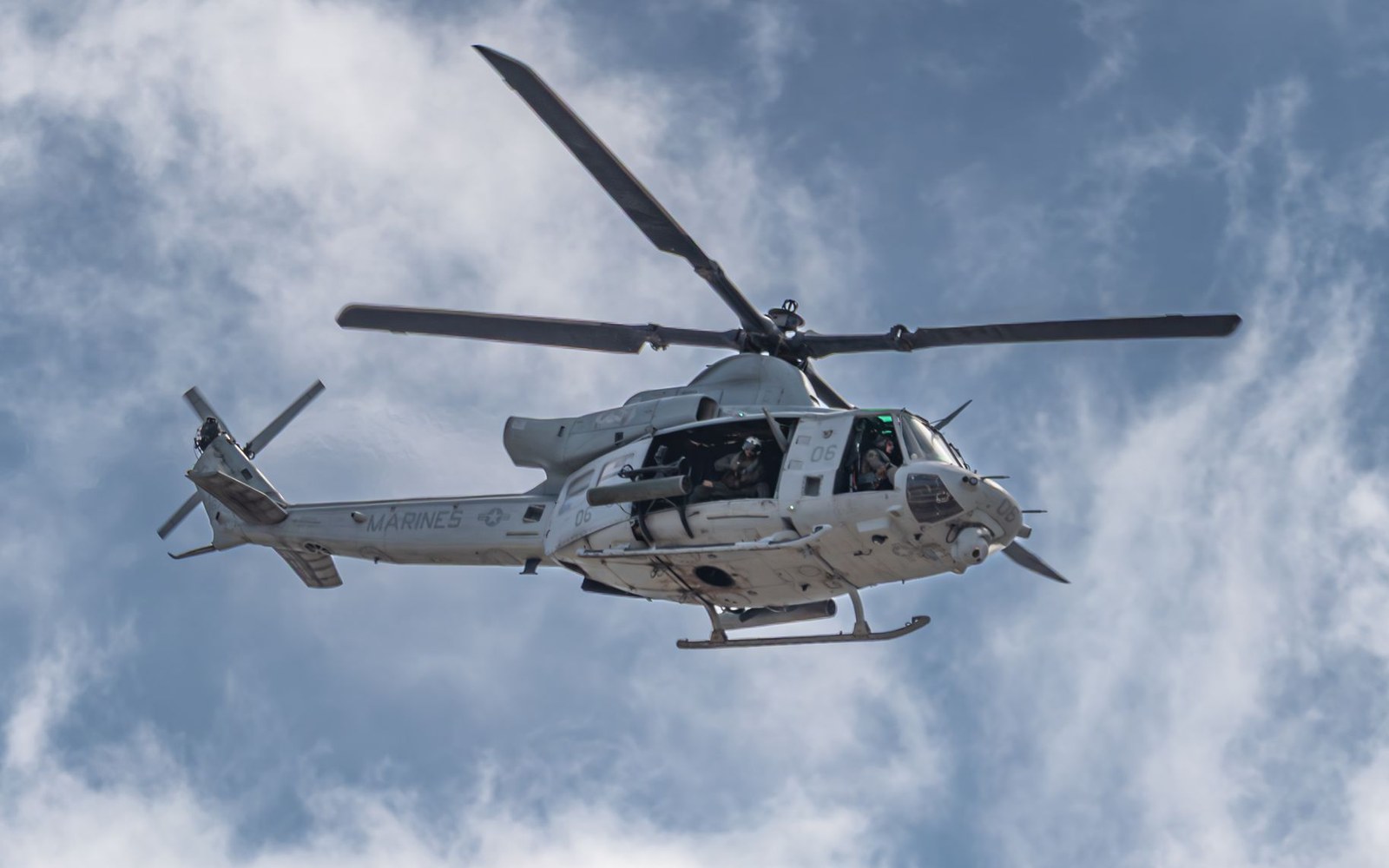
The Making
What the MOPP Suit Actually Is, and What It Cost to Wear One on Screen
Chemical protection designed for survival — repurposed as costume, worn in desert heat that approached the conditions it was built for.
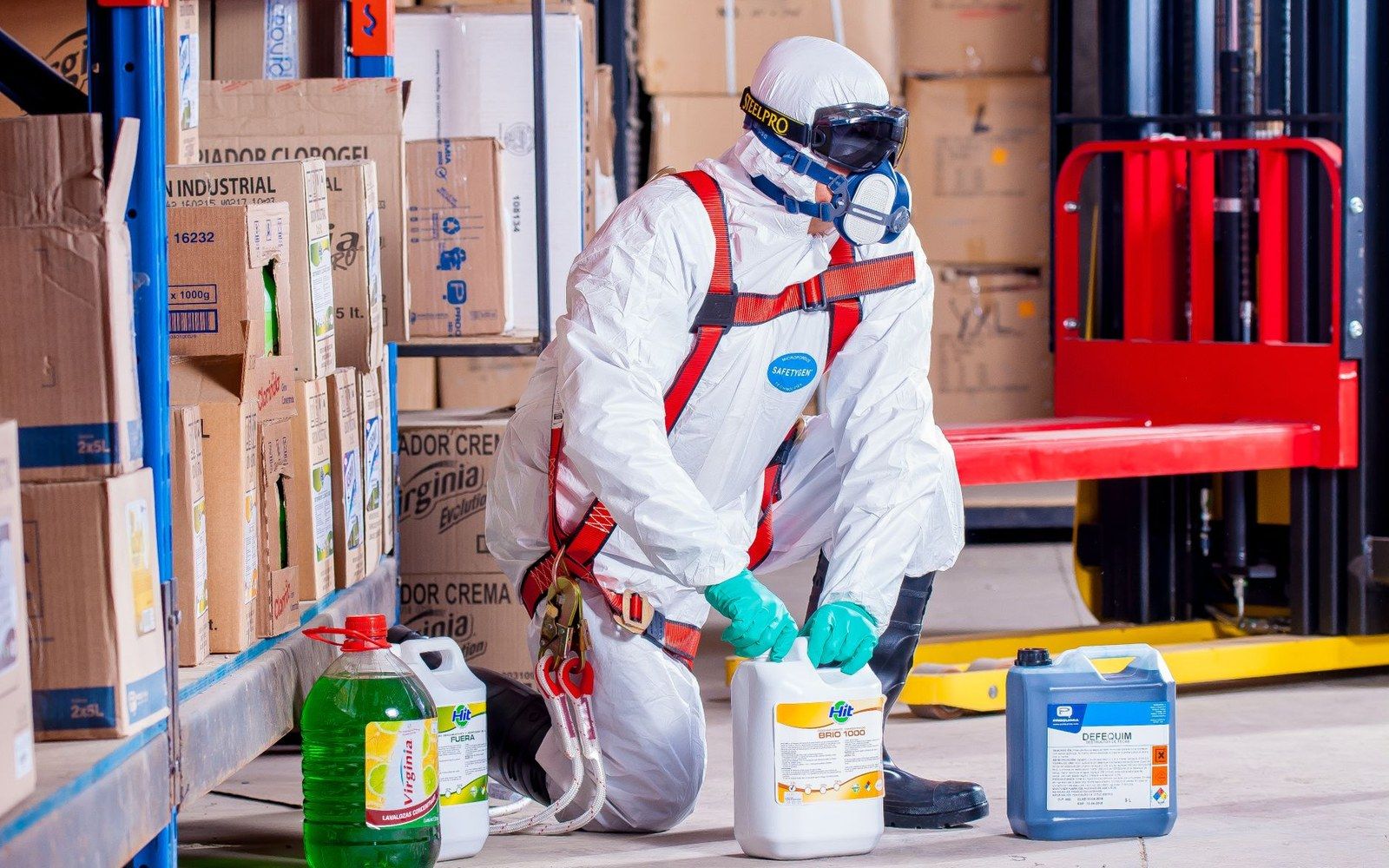
The Suit Itself
The Mission-Oriented Protective Posture suit is a layered chemical and biological protection ensemble developed for the U.S. military during the Cold War and standard issue by the time of the 1991 Gulf War. It consists of an outer garment of charcoal-impregnated activated carbon fabric, worn over standard fatigues, plus rubber overboots, heavy-duty gloves, and an M40-series protective mask. The whole assembly is classified on a scale of MOPP 1 through MOPP 4, with MOPP 4 indicating all components worn simultaneously and sealed — the level at which no air reaches the skin and heat stress becomes an immediate physiological hazard. During Operation Desert Storm, Marines carried MOPP gear through daily threat assessments, donning and doffing it as intelligence on Iraqi chemical capabilities shifted. Swofford's memoir records the dread of suited waiting as its own particular misery.
Sourcing and Construction for the Film
For Jarhead, the wardrobe department — working within Dennis Gassner's broader production design framework — needed suits that looked period-accurate to 1990–91 issue rather than reflecting later upgrades. The desert camouflage pattern on the outer garment had to match the sand-toned coloration fielded during Desert Storm, distinct from the woodland patterns that preceded it. Sourcing authentic period surplus and replicating it at the scale a feature requires are two different problems; multiples of every costume are needed to cover continuity, stunt doubles, and damage. Technical advisers drawn from Marine Corps veterans confirmed the correct fit and wearing protocol — the overtrouser tucks, the glove-to-sleeve seal — details that register subliminally as authenticity even when an audience cannot name them.
The Cost to the Cast
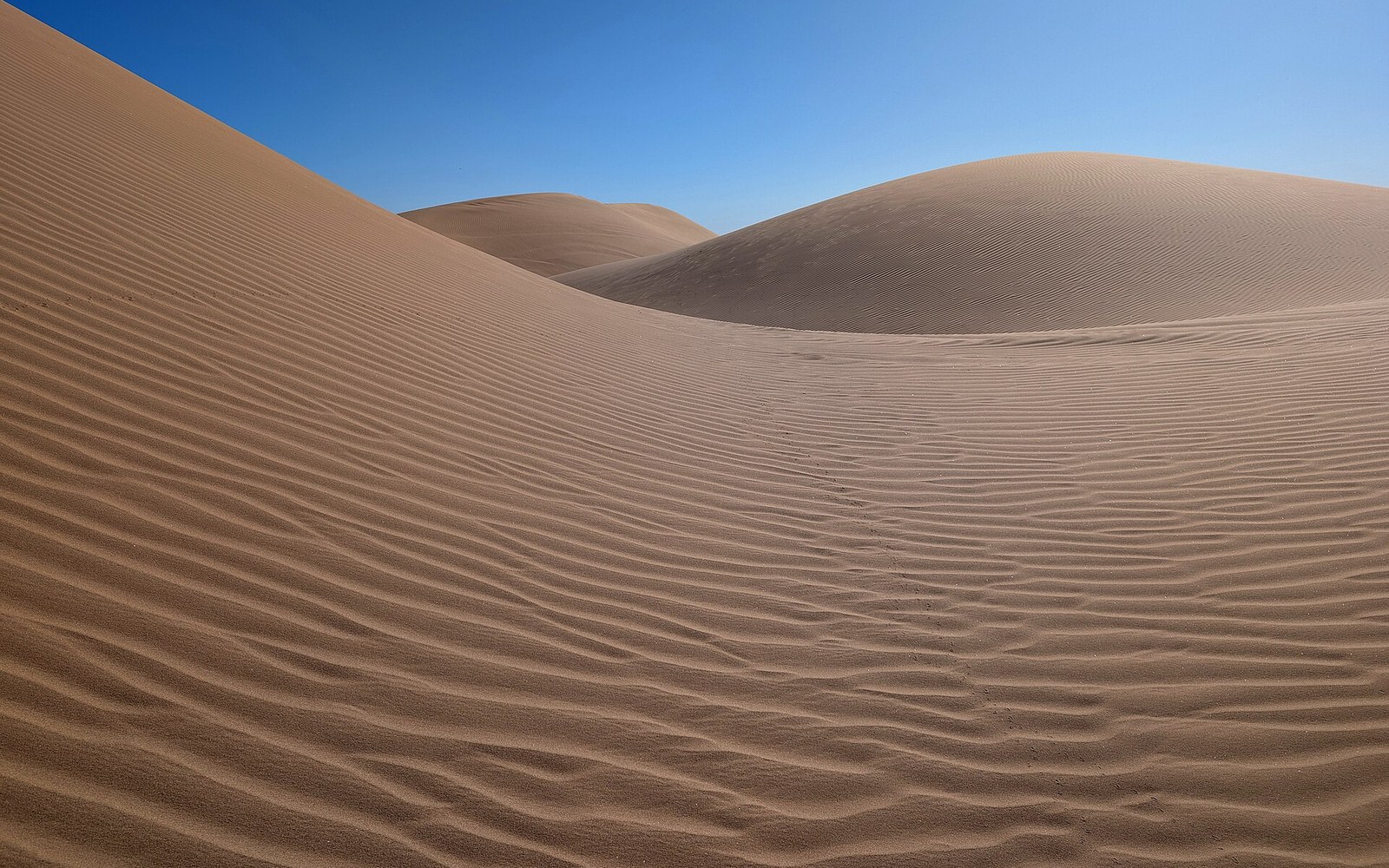
Shooting in the Imperial Valley — across Glamis, Brawley, and the Mexicali locations that stood in for Kuwait — meant ambient temperatures that routinely climbed past 100°F. Inside a sealed MOPP 4 ensemble, core body temperature rises sharply within minutes; military doctrine acknowledges that work capacity in full MOPP is reduced to a fraction of unencumbered output. For Jake Gyllenhaal and the supporting cast, scenes requiring sustained physical movement in full kit were managed in short takes with cooling periods between, a rhythm that itself became part of the production's texture: the enforced waiting between bursts of effort mirroring exactly what Swofford's memoir describes as the psychological condition of the Gulf War Marine. The suit was never merely a costume. It was an argument made in fabric about what the war actually felt like from inside.