Section 01
7 pieces
How Mendes, Deakins, Gassner and Newman built a war film in the California desert.
01
How Roger Deakins chose anamorphic lenses and high-noon desert sun as a deliberate exposure strategy for Jarhead, and what that choice looks like in the finished frame.
Read this piece 02
02
A location-by-location account of the Imperial Valley and Mexicali shoots — which sites doubled for which Kuwaiti settings, how long the unit was in the field (four months), and what the terrain demanded of the crew.
Read this piece 03
03
Dennis Gassner's production design problem: constructing military infrastructure — tent cities, briefing rooms, oil-field rigs — on location sand in a way that reads as genuinely abandoned or improvised.
Read this piece 04
04
Thomas Newman's score for Jarhead is built around suspended tension rather than action — an argument about what kind of film this is.
Read this piece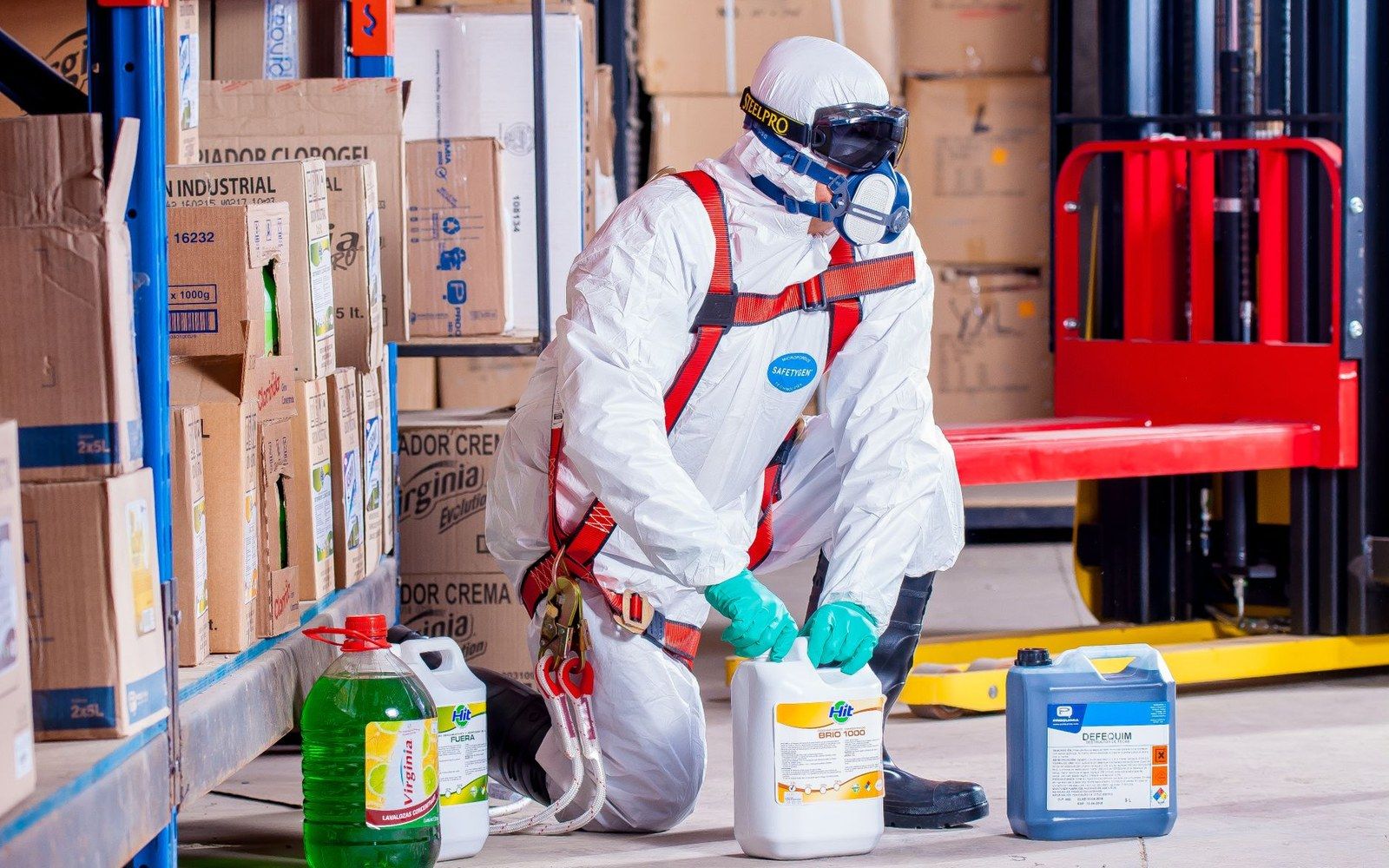 05
05
A practical account of the Mission-Oriented Protective Posture suit as a production object — its design history, the wardrobe department's sourcing for the film, and what performing in it under Imperial Valley temperatures required of the cast..
Read this piece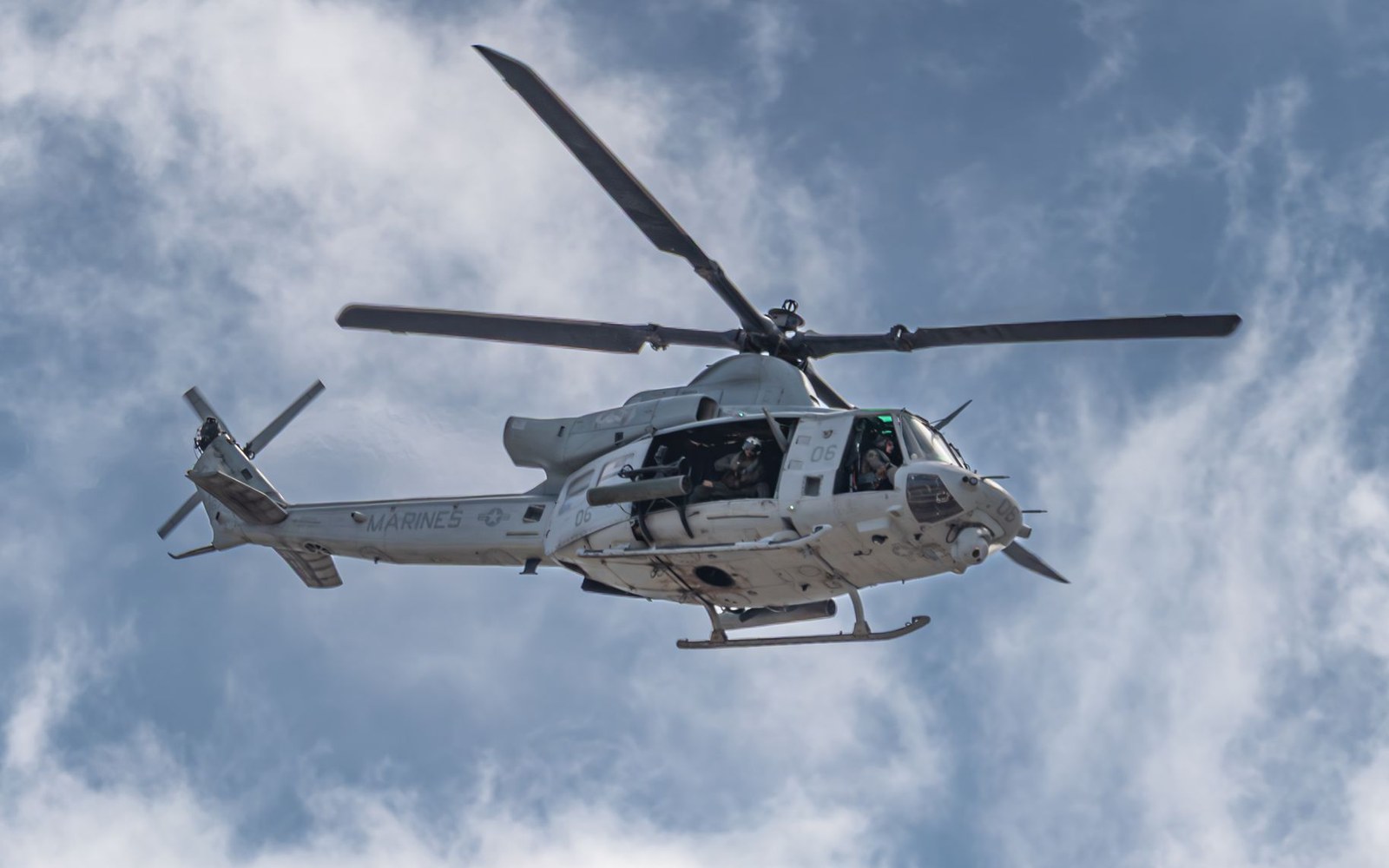 06
06
How the Marine Corps engaged with the Jarhead production — technical advisers, equipment, the documented official response to the finished film, and where the Corps drew the line between cooperation and endorsement..
Read this piece 07
07
Where Jarhead sits in Sam Mendes's filmography — the gap between American Beauty (1999) and Jarhead (2005), what he said about taking on a war subject, and how the film's structure (waiting over action) reflects his theatre background.
Read this piece