Credits
Where Jarhead Sits in Thirty Years of Deakins
The cinematographer had been nominated for an Academy Award five times before he stepped into the Imperial Valley. Jarhead was another chapter in a body of work that kept refusing easy categorisation.
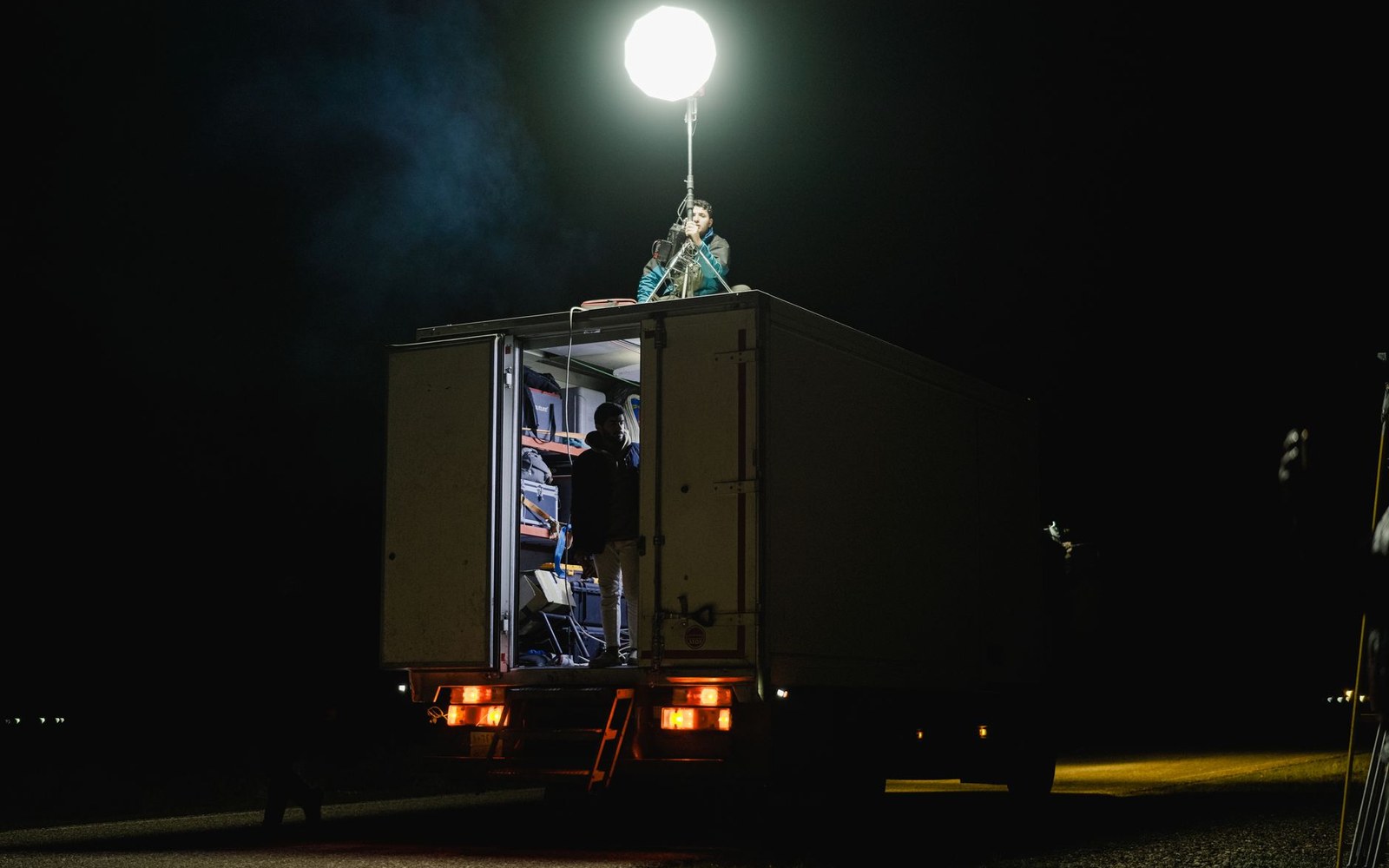
A Career That Resists One Light
By the time Roger Deakins began shooting Jarhead in 2004, he had already accumulated a filmography that made him, in practical terms, the most consistently acclaimed British cinematographer working in Hollywood. The Shawshank Redemption (1994), Fargo (1996), Kundun (1997), O Brother, Where Art Thou? (2000) — each showed a different grip on light, from Ohio prison grey to the bleached grain of the American South.
Jarhead sits in the middle of that arc, between the Coen brothers period and the run of work that would eventually end his famously protracted losing streak at the Academy Awards: thirteen nominations before the win for Blade Runner 2049 in 2018. Jarhead itself earned no nomination, but its visual logic — spherical Super 35 lenses and harsh noon sun as a weapon rather than a problem — is among the more distinctive choices of his middle period.
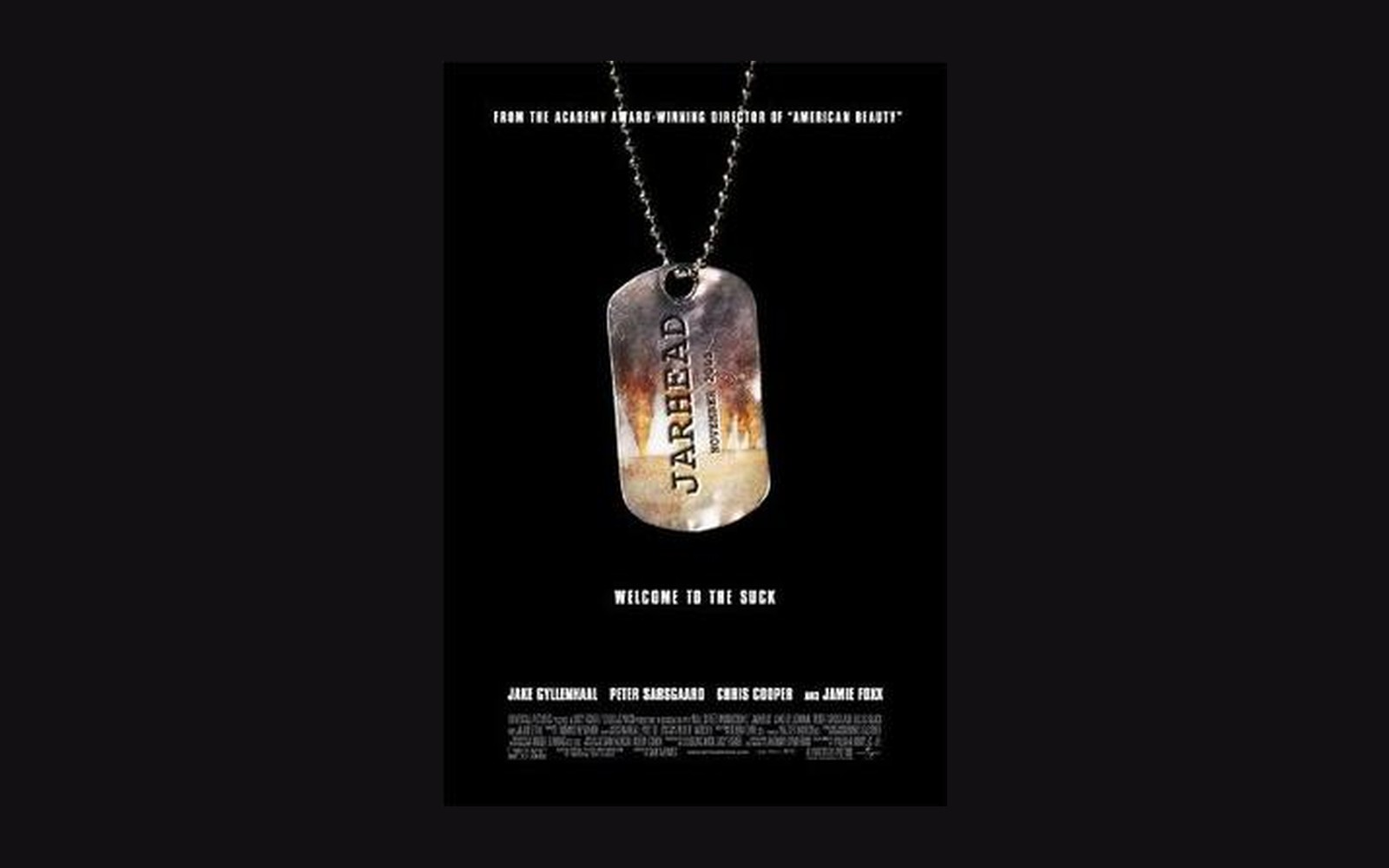
His desert work is sparser than the rain-and-shadow reputation suggests. Jarhead is genuinely unusual in his catalogue for using sand and smoke as primary colour fields, refusing the golden-hour correction that commercial instinct would normally supply. The Kuwaiti oil fires, recreated across California's Imperial Valley, presented him with a sky that was neither day nor night — a problem he solved by exposure rather than filtration.
The films immediately surrounding Jarhead in his filmography mark the breadth of the period: The Village (2004) just before, No Country for Old Men (2007) shortly after. The West Texas of the latter shares something with the Kuwait sequences — the same hostility, the same refusal to make landscape consoling — but the approaches are technically distinct.
Deakins's Academy Award nomination history through the period shows the range: interior darkness, stylised colour, natural light. Jarhead belongs to no single category in that range. It is an outlier within an outlier, and that is precisely what makes it worth isolating.