The Making
The Corps on Set: Technical Advice and Its Limits
How the Marine Corps engaged with the Jarhead production — technical advisers, equipment, the documented official response to the finished film, and where the Corps drew the line between cooperation and endorsement.
Where Official Cooperation Ended
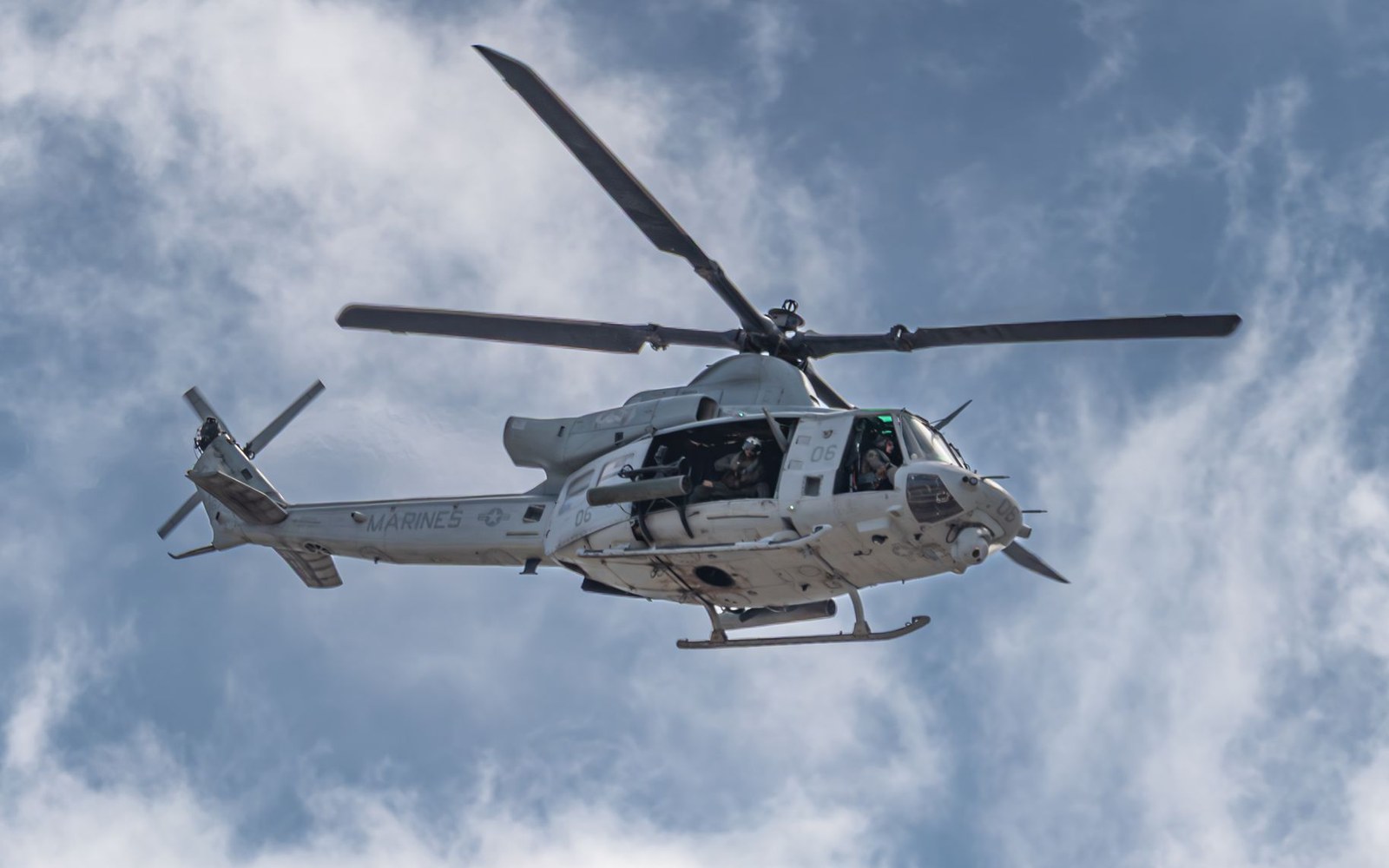
The United States Marine Corps provided technical advisers to the Jarhead production, ensuring that drill sequences, equipment handling, and unit protocol read as credible to veterans in the audience. Advisers worked with Jake Gyllenhaal and the supporting cast during pre-production training, coaching the physical vocabulary of Marine recruits — posture, movement, the mechanical rhythms of weapons handling — and consulting on the authentic deployment of gear including the M40 sniper rifle and MOPP suits.
That assistance, however, did not extend to formal endorsement. The Corps declined to grant the production access to active military installations, which pushed Sam Mendes and producer Douglas Wick toward the Imperial Valley locations — Glamis, Brawley, and a Mexicali stretch that could be dressed as Kuwait — rather than a sanctioned base environment. The distinction matters: technical advice corrects detail; institutional access shapes scale and atmosphere. Jarhead received the former and had to engineer the latter.
 07
07The Corps's ambivalence toward the finished film was consistent with its broader policy toward Hollywood productions that centre on individual disillusionment rather than unit cohesion. Anthony Swofford's 2003 memoir, on which William Broyles Jr's screenplay is based, had already drawn a measured official response when published — praised for its authenticity in places, criticised in others for what some serving Marines read as an unrepresentative portrait of morale and conduct. The film inherited that ambivalence.
On screen, the adviser's hand is most visible in the sequences where the production could not afford to be wrong: the gas-mask drills, the sniper-hide discipline, the specific choreography of a patrol moving through black smoke. Where the film departs from doctrinal accuracy — in tone, in the corrosive interiority Swofford imposed on every scene — that is a creative decision the Corps had no mechanism to prevent and no obligation to approve. Cooperation and endorsement are different transactions, and the Marine Corps kept them that way.