The Field
Gunner Palace: Uday Hussein's Pool House and What Came After
The 2004 documentary that embedded with the 2/3 Field Artillery in Baghdad — and staked out the documentary wing of the war-film genre at exactly the moment Jarhead was being made.
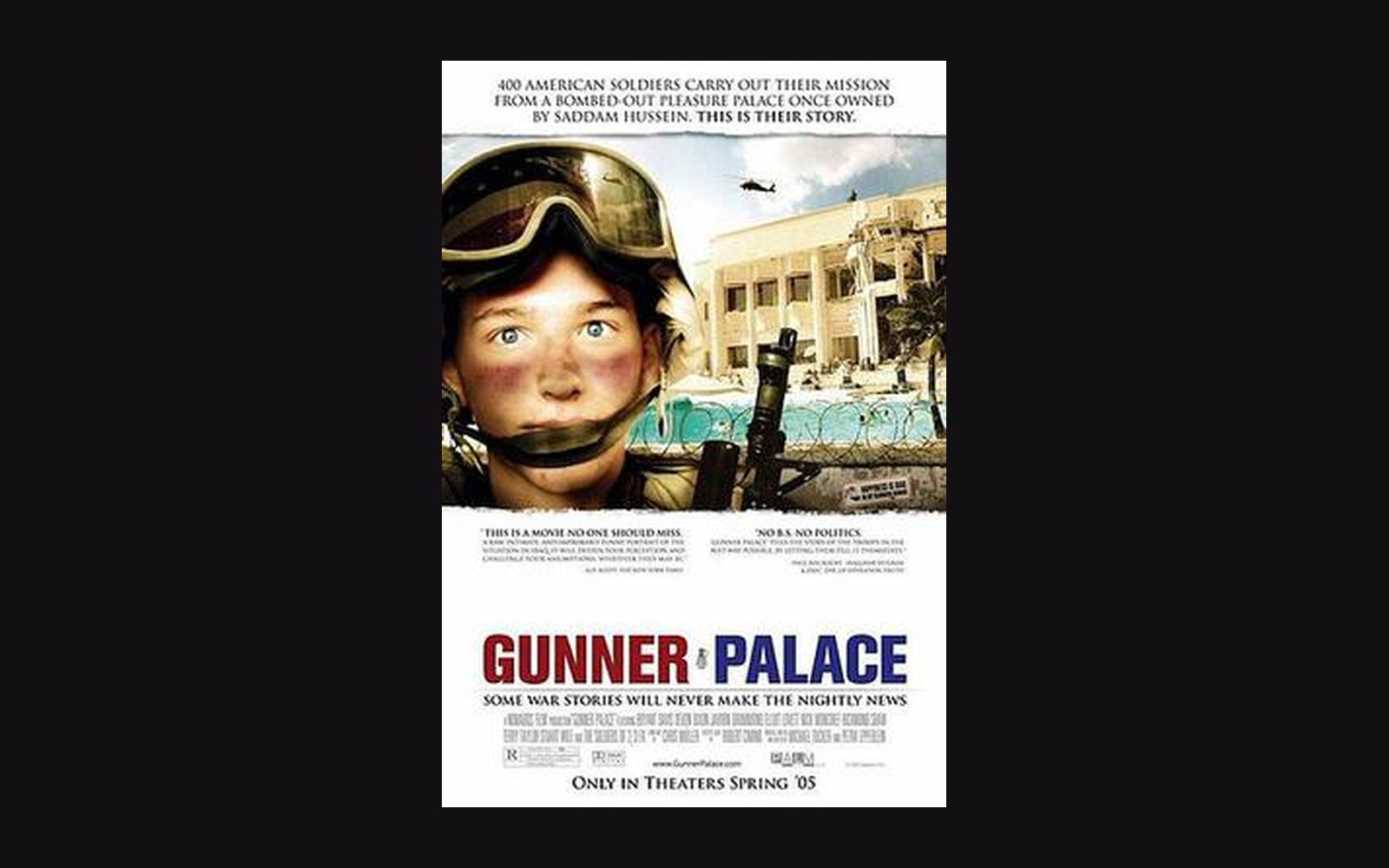
What Tucker and Epperlein Found in the Rubble
Michael Tucker and Petra Epperlein filmed Gunner Palace across two periods in 2003 and 2004, living alongside the 2nd Battalion, 3rd Field Artillery Regiment as the unit occupied one of Uday Hussein's former Baghdad palaces. The location was absurd and genuinely surreal: a bombed-out compound with a swimming pool, mosaic floors, and a disco, now home to American artillerymen conducting raids, absorbing mortar fire, and rapping into handheld cameras between patrols.
The film arrived in 2004, a year before Jarhead reached cinemas, and its timing was structurally significant. Both works were asking the same question about embed journalism — what access to soldiers actually yields when the larger strategic picture stays out of frame. Tucker and Epperlein did not editorialize. They assembled footage and let the incongruities accumulate: soldiers freestyling in destroyed rooms, then suiting up for night operations. The absurdism was not manufactured; it was documented.
 07
07Gunner Palace was rated R in the United States specifically because of its frequency of profanity, which the MPAA noted was unusually dense even within the R category. The distributors, Palm Pictures, left a title card acknowledging the language rather than cutting it — a decision that preserved the soldiers' actual register and aligned with the film's non-interventionist method.
The cinematography was handheld DV, low-resolution and immediate, a deliberate contrast to the anamorphic desert grammar Roger Deakins was simultaneously constructing for Jarhead in the Imperial Valley. Where Deakins reached for duration and landscape, Tucker reached for proximity and grain. Both approaches were honest to their different material.
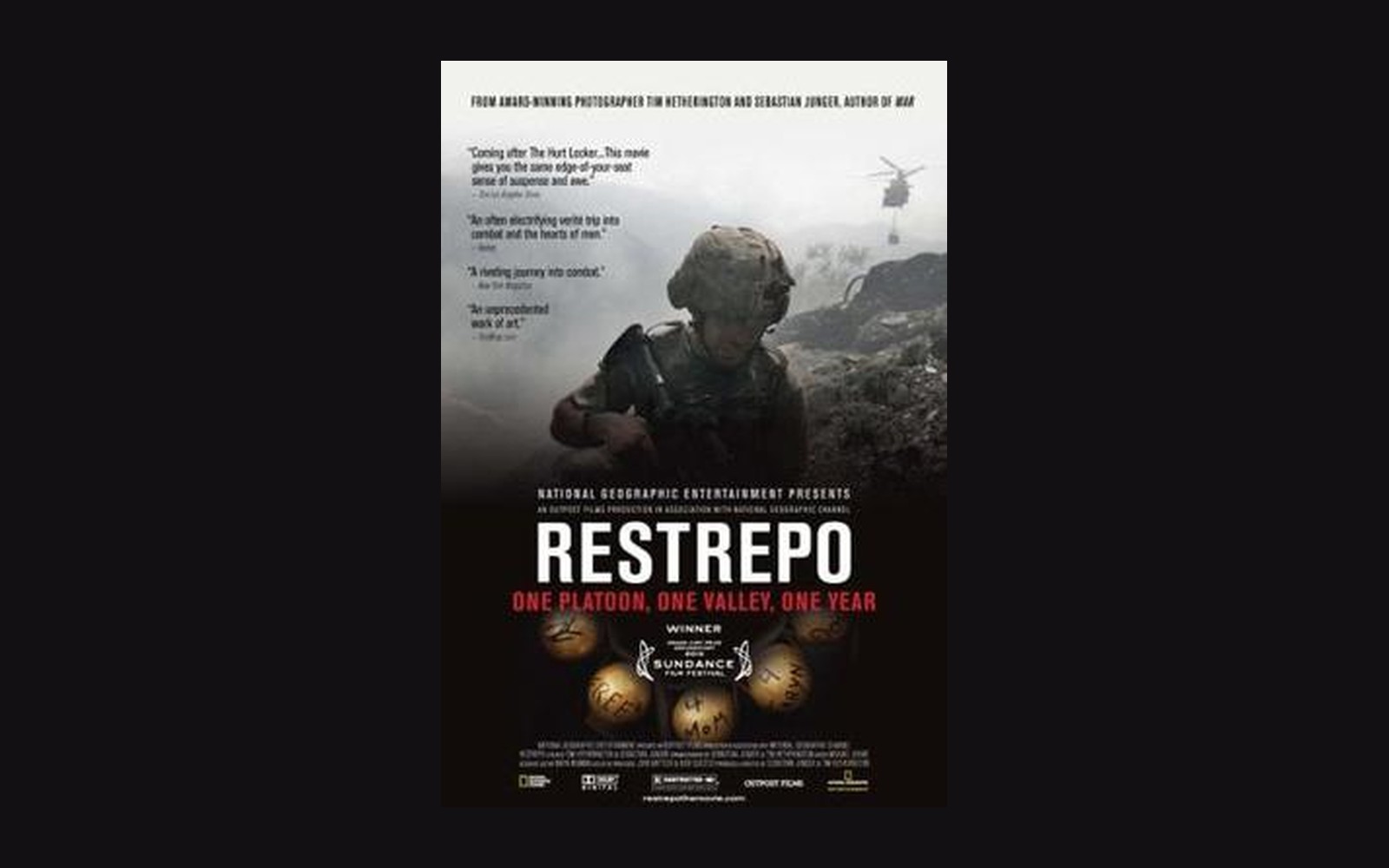
The film did not win major festival awards and had a limited theatrical run, but it became a reference point in the genre: the first Iraq War documentary to receive significant mainstream distribution and to treat its soldier subjects as complex, contradictory presences rather than symbols. Restrepo and Generation Kill share more DNA with Gunner Palace than their creators have always acknowledged. Tucker and Epperlein found the template in Uday's pool house.