The Field
Restrepo and the Year a Documentary Won the Grand Jury Prize at Sundance
Sebastian Junger and Tim Hetherington spent a year in one of the most dangerous valleys in Afghanistan and brought back ninety-three minutes that changed what a war documentary could demand of its audience.
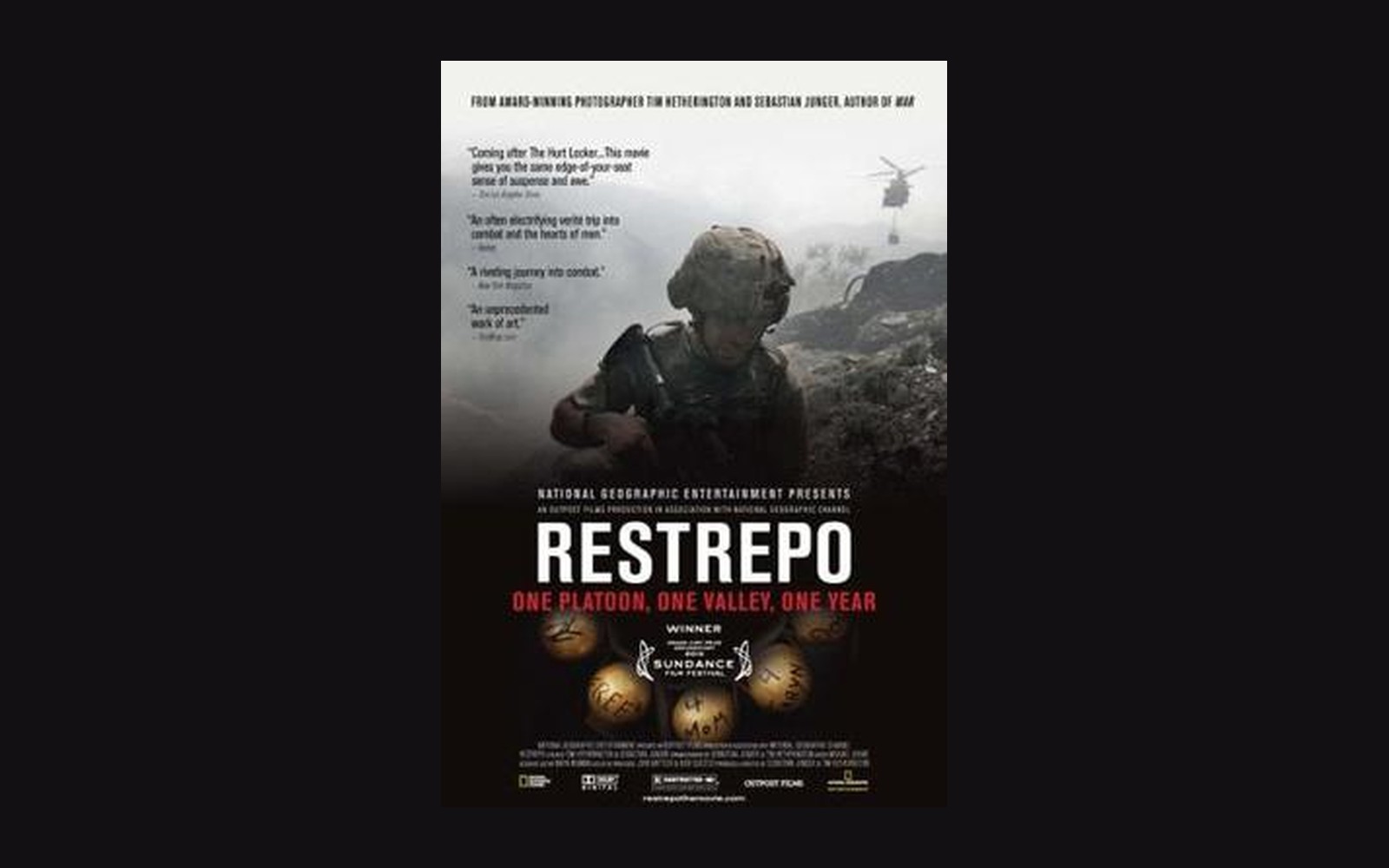
One Valley, One Year, One Prize
Restrepo was shot across multiple deployments between 2007 and 2008 in the Korengal Valley of eastern Afghanistan, where Junger and Hetherington embedded with Battle Company, Second Battalion, 503rd Infantry Regiment of the 173rd Airborne Brigade. The film takes its name from PFC Juan Sebastián Restrepo, a medic killed early in the deployment, and from the outpost his platoon built and named in his memory on a contested ridgeline.
The filmmakers carried cameras into firefights, into command meetings, into the small routines that fill the hours between contact. No narration was added. No contextual graphics explained the geopolitics of the Korengal. The camera stayed at ground level, with the soldiers, in real time — a structural commitment that made every explosion feel unframed by editorial distance.
At the 2010 Sundance Film Festival, Restrepo won the Grand Jury Prize for documentary, the festival's top honour in that category. The recognition confirmed what several critics had already argued: that embed journalism, when practised with rigour and without a predetermined thesis, could produce something closer to witnessed testimony than to conventional reportage.
The lineage is clear. Michael Tucker and Petra Epperlein's Gunner Palace (2004) had reopened the form by following the 2/3 Field Artillery through Baghdad with a similarly uncommitted camera. Restrepo extended that method into longer duration and more sustained danger. Together the two films mark the documentary branch of a genre that fiction features — from Jarhead to The Hurt Locker — were working in parallel.
Tim Hetherington was killed in Misrata, Libya, in April 2011, while covering the civil war there. Junger later completed a companion film, Korengal (2014), returning to the same soldiers for interview. Restrepo itself was selected for preservation in the United States National Film Registry by the Library of Congress in 2020, a recognition that its year in the valley had produced something the historical record needed to keep.