Stills
Sand, Smoke, and the Colours Deakins Refused to Correct
Roger Deakins built Jarhead's colour palette by withholding — letting the desert bleach what it bleached, and the oil smoke darken what it darkened.
The Light as Found
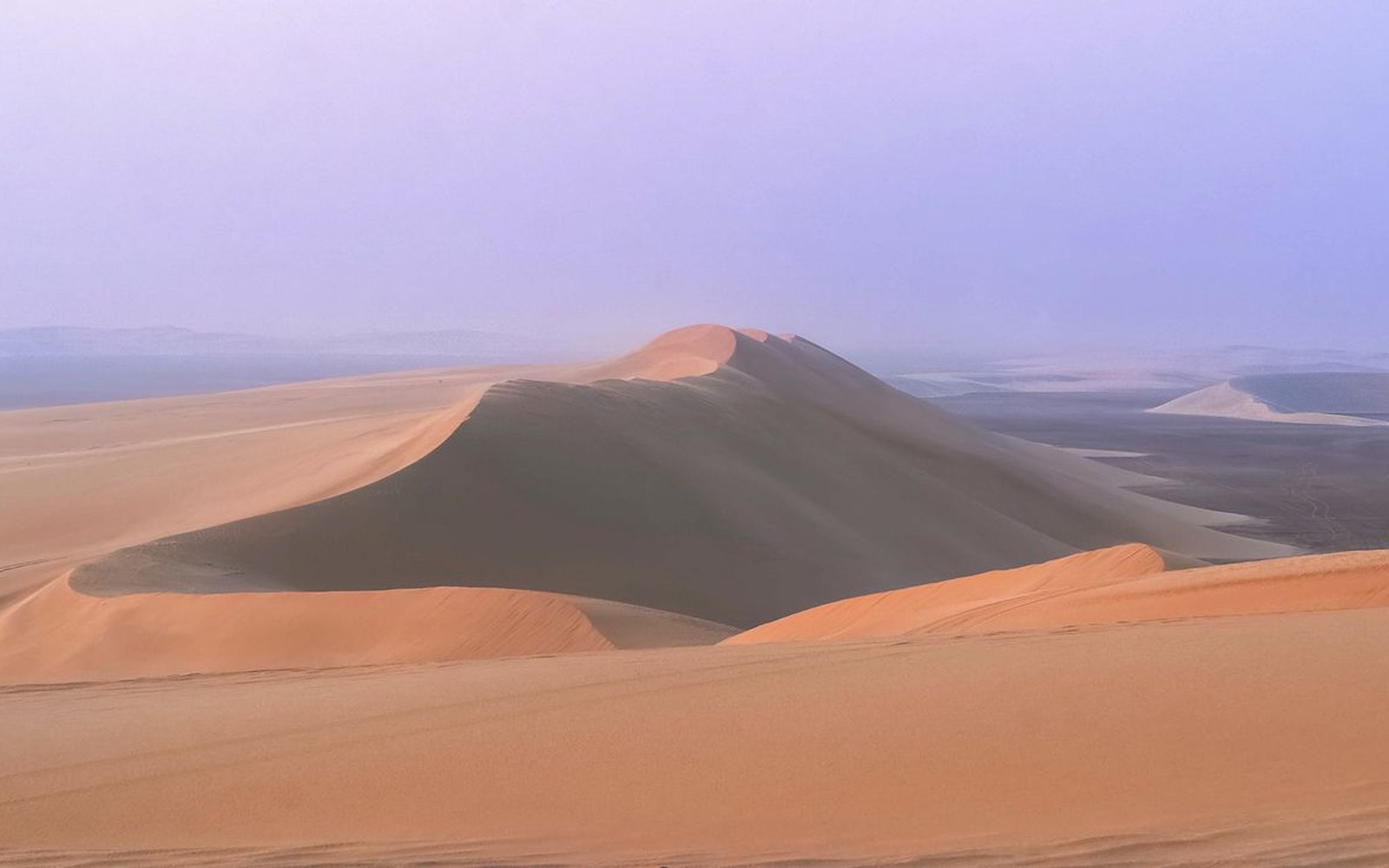
Most desert cinematography compensates for midday sun: a director of photography will schedule around it, filter against it, or correct for it in the grade. Deakins went the other way. Shooting across the Imperial Valley locations — Glamis, Brawley, the Mexicali flats standing in for Kuwait — he embraced the flat, high-noon wash that strips colour from the landscape. Sand reads as near-white; sky becomes a pale, featureless membrane; skin turns dry and overexposed at the edges. The result is not beautiful desert. It is hostile, evacuated desert, which is precisely what Swofford's memoir describes.
The format did nothing to soften this. Shot Super 35 on spherical lenses, the frame adds no optical flourish of its own, so the heat shimmer and visual erasure come from the light itself. Deakins has spoken in interviews about treating the location itself as the principal light source rather than fighting it with supplementary rigs, an approach consistent with his broader cinematographic practice recognised at the 2006 BAFTA Film Awards, where Jarhead received a nomination for Best Cinematography.
The Palette Shifts
The palette is not static. Interior tent sequences carry a cooler, more artificial register — the blue-green of fluorescent work-lights against canvas — that functions almost as relief after the blown-out exteriors, though it reads less as comfort than as another variety of confinement. The colour temperature drops; the world gets smaller. These shifts are not announced. They accumulate, so that a viewer moving between exterior and interior scenes feels the environment change without quite being told to notice.
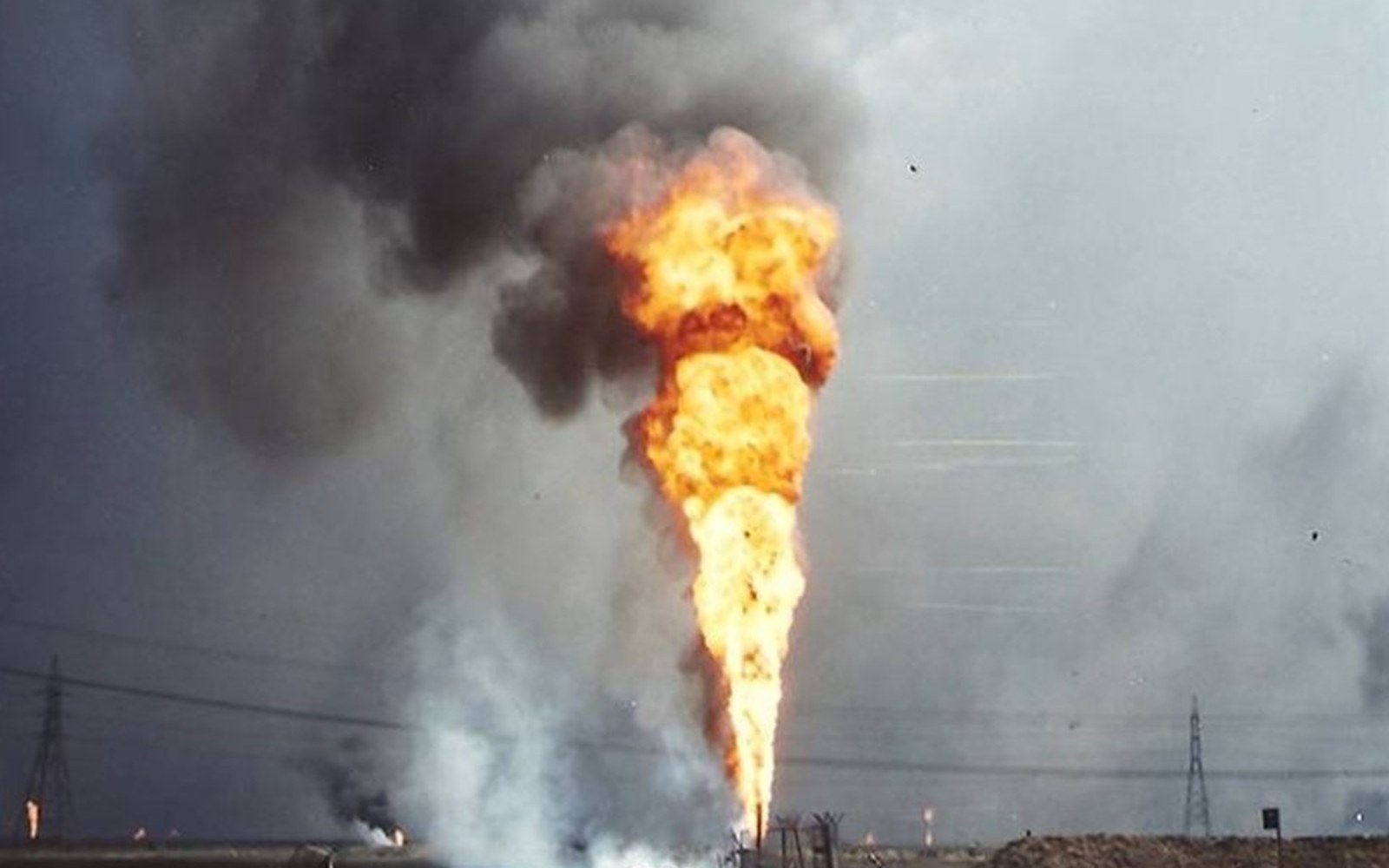
Then the oil fires arrive, and the film's colour logic inverts. The Kuwaiti oil fires — approximately 600 wells burned by Iraqi forces in early 1991 — produced a documentary reality almost impossible to improve upon: black smoke occluding noon sun, orange light filtered through particulate haze, oil rain falling on marching columns. Deakins retained the documentary logic of this palette. The sequence is dark where the rest of the film is bleached, warm where the rest is cold, and lurid where the rest is drained. The fires don't just change the story; they change the film's fundamental colour grammar.
Correction, in this context, would have been a kind of lie. The desert's neutrality and the fires' excess are both, in their different ways, accurate — and accuracy, for this production, was the aesthetic position.