The Book
The Sequel That Didn't Follow the Same Road
Swofford's 2012 memoir ventures far from Kuwait — and from the film that made his name.
A Different Kind of War Story
Anthony Swofford's Jarhead, published in 2003, arrived as a shard of sharp, compressed experience: a Marine sniper-scout's account of the 1991 Gulf War, its waiting, its violence withheld, its strange psychological residue. Sam Mendes's 2005 adaptation carried that compressed quality into the frame. Swofford became, almost against his will, the defining literary voice of a generation's Gulf experience.
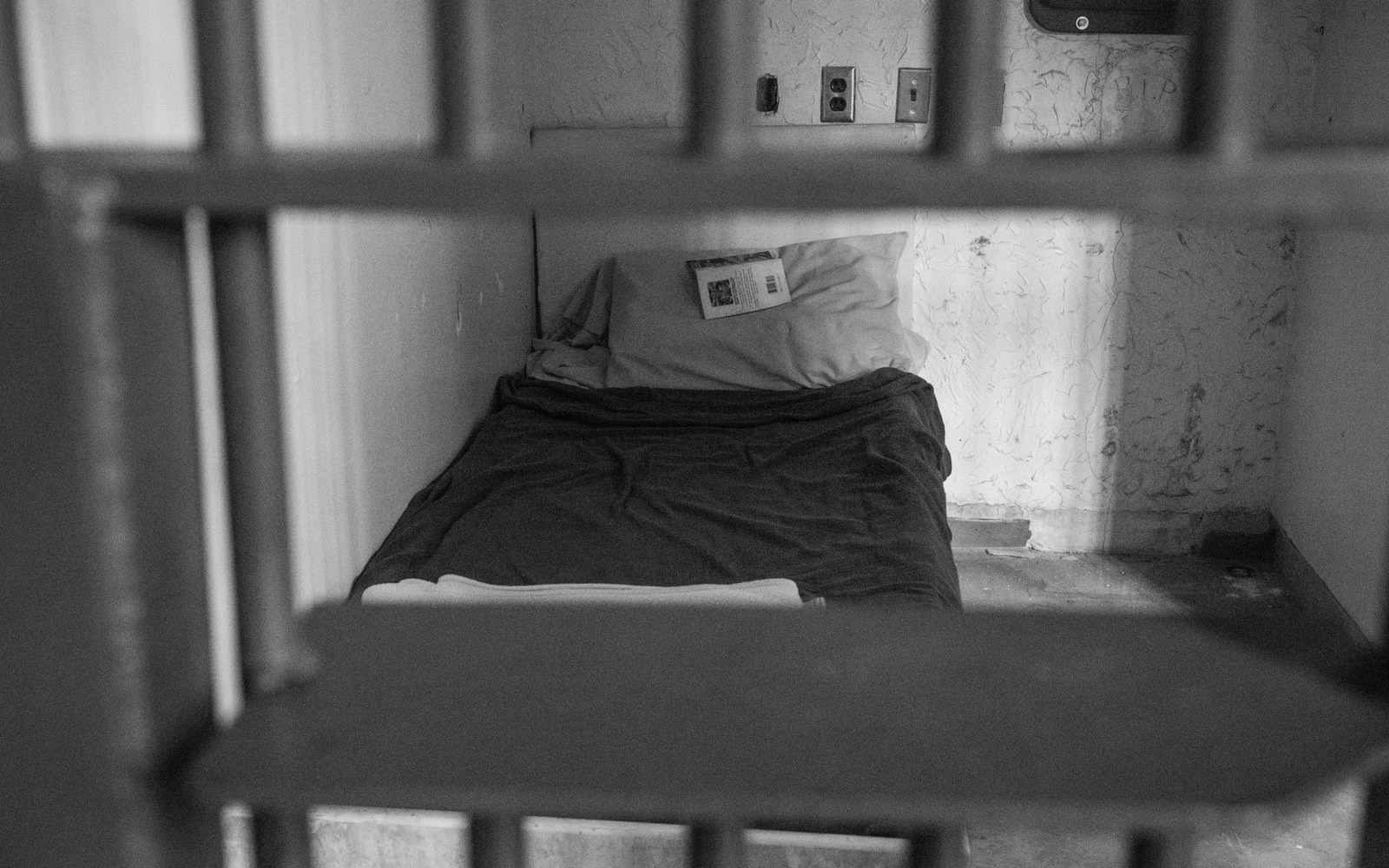
Hotels, Hospitals, and Jails, published in 2012, goes nowhere near Kuwait. It is a memoir of aftermath — of the decade Swofford spent after the war and after the first book, moving through addiction, failed relationships, estrangement from his father, and the disorientation of sudden literary celebrity. The title is literal: those are the institutions that structured the years in question. Where Jarhead was relentlessly exterior — heat, sand, waiting men, burning oil — Hotels, Hospitals, and Jails turns inward and domestic.
 05
05Critics who placed the two books side by side tended to note the shift in register rather than treat it as a failure of nerve. The first book had a military structure to its prose, chapters shaped by the rhythms of deployment; the second operates more loosely, moving between memory, dialogue, and self-reproach. Jarhead had an obvious dramatic spine — a man waiting to fight a war that ends before he can — and Hotels, Hospitals, and Jails conspicuously does not. That absence frustrated some readers who wanted the sequel to extend the original's formal tautness; others found the slack structure honest about what post-war life actually looks like.
The book's relationship to the 2005 film is more distant than its predecessor's. Jarhead the memoir had a direct causal link to Jarhead the film: William Broyles Jr adapted it, Universal Pictures produced it, and the sniper-scout detail was the spine of both. Hotels, Hospitals, and Jails offers no such handhold for cinema. Its material — recovery, family estrangement, the psychic cost of literary exposure — does not translate into the visual grammar Mendes and Roger Deakins built around desert light and oil fire. No adaptation has followed, and the book's reception did not generate the kind of cultural momentum that might prompt one.
What Hotels, Hospitals, and Jails adds to the broader Swofford account is a frank record of how the first memoir's success complicated the life of the man who wrote it — fame arriving alongside disorder, the war receding while its literary aftermath continued. Read alongside Jarhead, it completes a picture the first book deliberately left incomplete: what happened to the sniper-scout when the desert was finally behind him.